
How to Choose the Perfect Knife: A Guide for Every Adventurer
If you’ve ever felt overwhelmed looking at a display of knives, trust me—you’re not alone. Whether you’re gearing up for a weekend in the wilderness, crafting your next masterpiece in the kitchen, or just looking for a reliable everyday carry, picking the right knife can feel like a challenge. Let me break it down for you in a way that makes sense.
1. Know Your Purpose
Before diving into the details, ask yourself one simple question: What will I use this knife for?
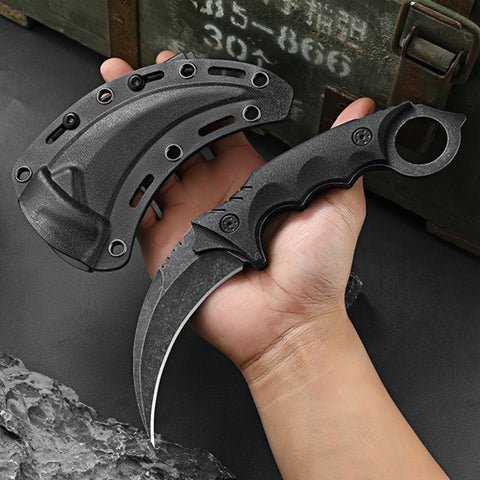
• Outdoor adventures? Go for a fixed blade with durability in mind. These knives can handle tasks like chopping wood, skinning game, or preparing meals by the campfire.
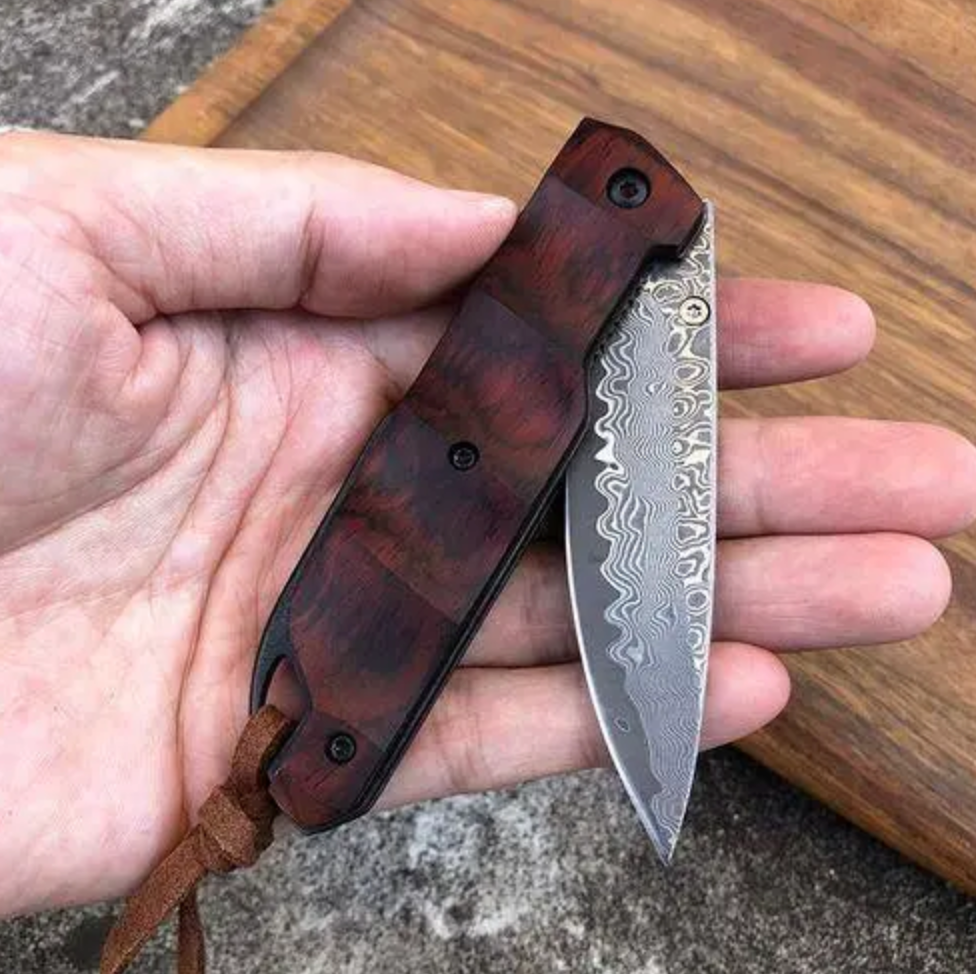
• Daily carry? A folding knife works wonders for everyday tasks like opening packages or quick fixes.
• Cooking? A chef’s knife or paring knife with a balanced handle and sharp blade will be your best friend in the kitchen.
2. Blade Material Matters
The blade is the soul of the knife. My go-to recommendation for outdoor enthusiasts is 1095 high-carbon steel. It’s tough, holds an edge like a champion, and can handle heavy-duty tasks. However, it needs regular maintenance to avoid rust. If low maintenance is your priority, stainless steel might suit you better.
3. Handle the Handle
A good knife feels like an extension of your hand. Look for materials like acidwood or G10 for outdoor knives—they’re sturdy, weather-resistant, and feel great even when wet. For kitchen knives, wood or ergonomic composite handles provide comfort for long prep sessions.
4. Fixed Blade vs. Folding Blade
• Fixed blades are my go-to for outdoor and heavy-duty use. They’re stronger because there are no moving parts, and they’re easier to clean.
• Folding knives are compact and convenient for everyday carry but lack the same level of strength and reliability.
5. Consider the Sheath
For outdoor knives, don’t overlook the sheath. A well-made leather sheath offers durability, style, and secure carrying. Bonus points if it includes a belt loop or a snap closure for extra convenience.
6. Test the Fit
When buying a knife, don’t just judge it by its looks. Hold it. Grip it. Swing it. Does it feel comfortable? Does it balance well in your hand? A knife that fits poorly can lead to fatigue—or worse, accidents.
7. Invest in Quality
I’ll say this: a high-quality knife is an investment that pays off over time. Cheap knives dull quickly, break easily, and often disappoint. Look for reputable brands or custom knife makers who stand by their craftsmanship.
Final Thoughts
Choosing the perfect knife isn’t about picking the most expensive or the flashiest one. It’s about finding the tool that fits you—your needs, your style, your adventures. Take your time, do your research, and don’t hesitate to ask questions.
Remember, the right knife isn’t just a tool; it’s a companion you’ll rely on for years to come. So go ahead, make your choice wisely, and enjoy every slice, cut, and adventure ahead!